
Warehouse Stretch Wrap and Packaging Materials: Optimizing Load Securing
Warehouse Stretch Wrap and Packaging: Securing Loads for Safe Transit
Proper load securing starts in the warehouse—and stretch wrap is the primary tool for unitizing and stabilizing palletized loads for transportation. Using the right materials, techniques, and equipment prevents product damage, reduces freight claims, and ensures loads arrive intact at their destination.
Types of Stretch Wrap
Cast stretch film is the most common type, offering clear visibility, quiet unwind, and consistent cling properties. Blown stretch film provides superior puncture resistance and load-holding force for heavy or sharp-edged products. Pre-stretched film requires less force to apply and reduces material consumption by up to 40%. Specialty films include UV-resistant wrap for outdoor storage, ventilated wrap for produce that needs airflow, and anti-static film for electronics. 3PL warehouse operations should stock multiple film types to match different product requirements.
Machine vs. Hand Wrapping
Semi-automatic and automatic stretch wrap machines deliver consistent wrapping patterns, proper film tension, and higher throughput compared to hand wrapping. Machine wrapping typically uses 30-50% less film than hand application while providing stronger, more uniform load containment. For high-volume warehouses processing hundreds of pallets daily, machine wrapping delivers rapid ROI through material savings and labor reduction.
Load Stability Principles
Pallet Build Patterns
Load stability begins with proper pallet building. Interlocking brick patterns, columnar stacks for uniform cases, and pyramid configurations for mixed-size items all contribute to inherent load stability before wrapping even begins. Corner boards protect against strap and wrap indentation while providing vertical strength to stacked loads.
Wrapping Techniques
Effective stretch wrapping includes bottom wraps that anchor the load to the pallet, body wraps at proper tension to unitize the load, and top wraps that secure the load surface. Film tension should be firm enough to prevent shifting but not so tight that it crushes or distorts products. Container loading may require additional securing beyond stretch wrap—load bars, airbags, or strapping to prevent movement during ocean transit.
Cost Optimization
Stretch wrap represents a significant annual expense for active warehouses. Film gauge optimization—using the thinnest film that provides adequate load containment—reduces material costs. Pre-stretch ratios of 200-300% maximize film yield. Regular film usage audits identify waste from over-wrapping or improper machine settings. Recycling stretch wrap through film recycling programs reduces waste disposal costs and supports sustainability goals.
Packaging material selection for outbound shipments via LTL and truckload carriers should balance protection requirements against dimensional weight pricing impacts. Logistics teams should regularly review packaging specifications against actual damage claim data.
Professional Load Securing at Go Freight
Go Freight’s warehouse team uses proper stretch wrapping techniques and quality packaging materials to ensure your products arrive safely. Every pallet leaves our facility secured for transit.
Get a Free Quote | Call 786-445-0150
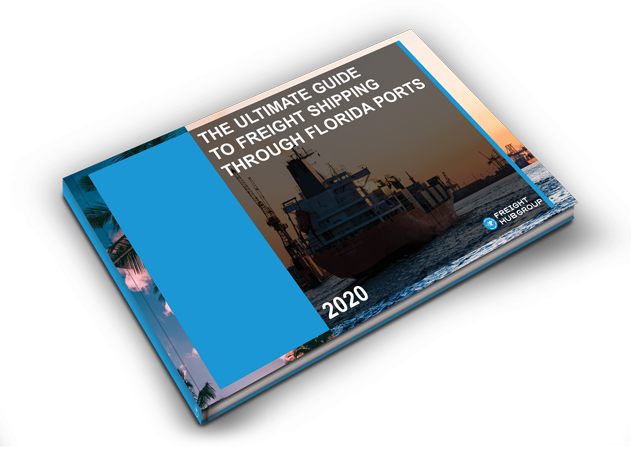
THE ULTIMATE GUIDE TO FREIGHT SHIPPING THROUGH FLORIDA PORTS
When it comes to ocean freight shipping in Florida, there is a lot to know to ensure you follow the appropriate steps when shipping into and out of Florida Ports.
Just enter in your email address and receive your FREE E-Book in minutes!