
Adhesive and Sealant Shipping: Flammable Liquid IATA IMDG Compliance Guide
Shipping Adhesives and Sealants as Dangerous Goods
Many industrial and consumer adhesives, sealants, and epoxies contain flammable solvents that classify them as dangerous goods under IATA DGR and IMDG Code. From construction adhesives to aerospace-grade bonding agents, proper classification and packaging are essential for compliant domestic and international shipping.
Classification of Adhesive Products
Solvent-based adhesives typically classify under UN1133 (Adhesives, Class 3, Flammable Liquid) with packing groups ranging from I to III depending on flash point. Two-part epoxy systems may have components classified as corrosive (Class 8) or toxic (Class 6.1). Water-based adhesives generally fall below regulatory thresholds but must still be evaluated against SDS data for potential subsidiary hazards.
IATA DGR for Air Transport
Air shipping of adhesives under IATA DGR follows Packing Instruction 353 for Class 3 liquids. Inner container limits, absorbent material requirements, and total package weight restrictions apply. Many adhesive products qualify for limited quantity provisions under IATA 2.7, which reduce marking and documentation requirements for smaller shipments. International air freight of adhesives requires accurate flash point data on shipping documents.
IMDG Code for Ocean Adhesive Shipments
Ocean transport under the IMDG Code accommodates larger adhesive shipments in drums, pails, and IBCs. Flash point determines stowage category assignments, with lower flash point products requiring greater separation from ignition sources. Container drayage providers must display appropriate Class 3 placards when transporting regulated quantities.
Two-Part System Shipping Challenges
Two-part adhesive and epoxy systems present unique shipping challenges when components have different hazard classifications. The resin component may be non-regulated while the hardener is classified as corrosive or sensitizing. When shipped together in kits, the most restrictive classification governs the entire package. Proper inner packaging separation prevents premature mixing during transport.
Temperature Sensitivity Considerations
Many adhesives and sealants have temperature sensitivity that affects shipping mode selection. Extreme heat can cause premature curing or container pressure buildup, while freezing can permanently degrade water-based formulations. Temperature-controlled trucking and climate-controlled warehousing protect product integrity throughout the supply chain.
Go Freight’s Adhesive Shipping Expertise
Go Freight handles adhesive and sealant shipments of all sizes from South Florida. Our hazmat-certified team ensures proper classification, packaging guidance, and carrier coordination for your bonding product logistics.
Adhesive Shipping Made Simple
Trust Go Freight’s dangerous goods experts for compliant adhesive and sealant transport across all modes.
Get a Free Quote | Call 786-445-0150
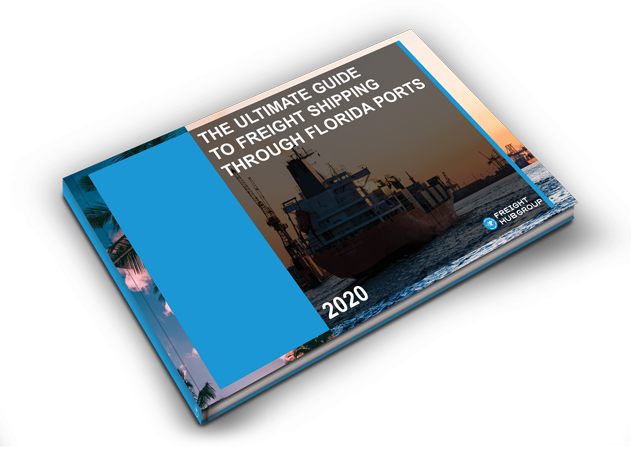
THE ULTIMATE GUIDE TO FREIGHT SHIPPING THROUGH FLORIDA PORTS
When it comes to ocean freight shipping in Florida, there is a lot to know to ensure you follow the appropriate steps when shipping into and out of Florida Ports.
Just enter in your email address and receive your FREE E-Book in minutes!