
Hazmat Shipping for Medical Device Sterilization Facilities in South Florida
Hazmat Shipping for Medical Device Sterilization Operations
South Florida’s growing medical device industry includes several sterilization facilities processing surgical instruments, implants, and single-use medical devices. The sterilization process relies on some of the most tightly regulated hazardous materials in commerce — particularly ethylene oxide (EtO) — requiring expert hazmat shipping management.
Ethylene Oxide Transport Requirements
Ethylene oxide is classified as a Class 2.3 toxic gas with Class 2.1 flammable subsidiary hazard — one of the most heavily regulated materials to ship. EtO cylinders and cartridges require Poison Inhalation Hazard (PIH) placarding, specialized carriers, and advance route planning. Few carriers are authorized for EtO transport, making logistics coordination critical.
EtO Supply Chain Security
Given EtO’s dual-use potential, shipments face additional security requirements under 49 CFR Part 172.800. Shippers must maintain security plans, conduct personnel background checks, and follow chain-of-custody procedures. Go Freight’s logistics brokerage connects sterilization facilities with vetted carriers meeting all EtO transport security requirements.
Alternative Sterilant Chemicals
Sterilization facilities also use hydrogen peroxide vapor (Class 5.1 oxidizer at high concentrations), peracetic acid (Class 5.1/8 combination), and formaldehyde solutions (Class 8/3/6.1). Each presents unique transport challenges. Facilities using multiple sterilization methods require multi-class hazmat delivery coordination.
Compressed Gas Support Systems
Sterilization equipment uses nitrogen, compressed air, and other Class 2.2 gases for chamber conditioning and aeration. Regular cylinder deliveries and exchanges must be coordinated with sterilant chemical shipments. LTL hazmat services efficiently handle these support gas deliveries.
Waste Gas and Residue Disposal
Spent EtO canisters and aeration off-gas treatment residues require hazmat transport to disposal facilities. Managing the reverse logistics of sterilization waste requires carriers with proper classifications and disposal facility relationships. Go Freight coordinates outbound waste shipments alongside inbound chemical supply.
FDA and EPA Compliance Integration
Medical device sterilization operates under FDA quality system regulations and EPA emission standards in addition to DOT transport requirements. Chemical supply chain documentation must satisfy all three regulatory frameworks. Our hazmat storage facilities maintain the documentation standards these multi-agency requirements demand.
Sterilization Chemical Logistics Specialists
Go Freight provides the specialized hazmat shipping expertise South Florida’s medical device sterilization industry demands — from EtO transport to waste disposal logistics.
Get a Free Quote | Call 786-445-0150
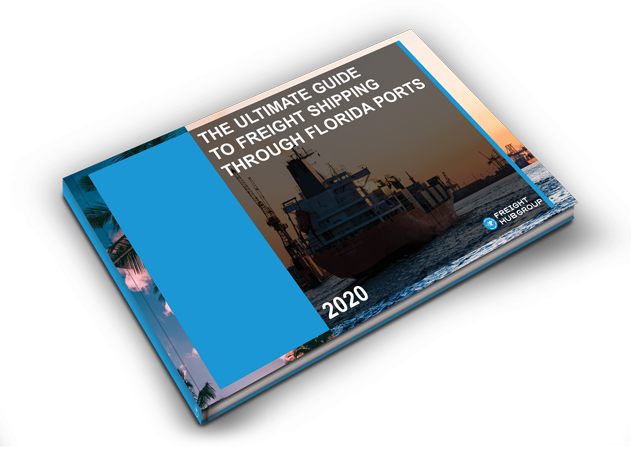
THE ULTIMATE GUIDE TO FREIGHT SHIPPING THROUGH FLORIDA PORTS
When it comes to ocean freight shipping in Florida, there is a lot to know to ensure you follow the appropriate steps when shipping into and out of Florida Ports.
Just enter in your email address and receive your FREE E-Book in minutes!