
Hazmat Warehouse Storage Requirements in South Florida
Hazmat Warehouse Storage Requirements in South Florida
Storing hazardous materials in South Florida warehouses requires compliance with federal OSHA regulations, state fire codes, local building codes, and EPA environmental standards. Whether you’re storing small quantities of cleaning chemicals or large volumes of industrial solvents, understanding these requirements protects your business and employees. Go Freight coordinates with compliant storage facilities throughout the region.
Fire Code Compliance
The Florida Fire Prevention Code, based on NFPA standards, establishes maximum allowable quantities of hazardous materials that can be stored in different building types. Exceeding these limits requires specialized H-occupancy classified buildings with fire suppression systems, secondary containment, ventilation, and explosion-resistant construction. Most standard warehouses can only store limited quantities without these upgrades.
Segregation and Compatibility
Hazardous materials that can react dangerously together must be stored in separate areas with appropriate barriers. Oxidizers must be separated from flammables, acids from bases, and water-reactive materials from any water source. The specific segregation distances and barrier requirements depend on the materials involved and their quantities. Go Freight’s hazmat team ensures containers are delivered to the correct storage areas at receiving facilities.
Secondary Containment Requirements
Liquid hazardous materials in storage require secondary containment systems — berms, dikes, or containment pallets — capable of holding at least 110% of the largest container volume. This prevents spills from reaching drains, groundwater, or adjacent areas. South Florida’s proximity to the Everglades and ocean makes environmental containment especially critical.
Permitting and Inspections
Hazmat storage facilities in South Florida must obtain permits from local fire departments, environmental agencies, and building departments. Regular inspections verify ongoing compliance, and violations can result in fines, permit revocation, or forced closure. Go Freight works with permitted warehouses that maintain all required hazmat storage certifications.
Climate Considerations for South Florida
South Florida’s heat and humidity create additional challenges for hazmat storage. High temperatures can increase pressure in sealed containers, accelerate chemical degradation, and raise fire risk for flammable materials. Adequate ventilation, climate control, and shade structures are important considerations for any hazmat storage facility in the region.
Hazmat Storage Solutions
Need compliant hazmat storage in South Florida? Go Freight connects shippers with certified hazardous materials storage facilities.
Get a Free Quote | Call 786-445-0150
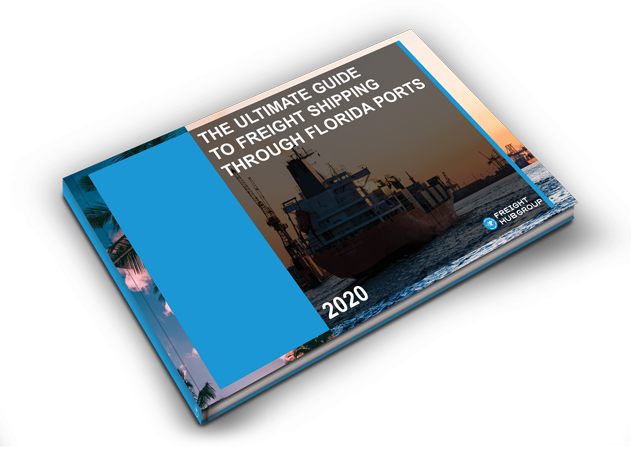
THE ULTIMATE GUIDE TO FREIGHT SHIPPING THROUGH FLORIDA PORTS
When it comes to ocean freight shipping in Florida, there is a lot to know to ensure you follow the appropriate steps when shipping into and out of Florida Ports.
Just enter in your email address and receive your FREE E-Book in minutes!