
Warehouse Real Estate Selection: Choosing the Right Location for Your Distribution Center
Warehouse Real Estate: Choosing the Right Location for Distribution Success
Warehouse location is one of the most impactful supply chain decisions a business can make. The right location minimizes transportation costs, accelerates delivery times, and provides access to labor, infrastructure, and markets. The wrong location creates permanent cost disadvantages that no amount of operational excellence can overcome.
Key Location Factors
Warehouse site selection must balance multiple factors. Proximity to customers reduces outbound transportation costs and enables faster delivery. Proximity to ports and airports minimizes drayage costs and transit time for imported goods. Access to highways and intermodal facilities connects the warehouse to national transportation networks. Labor availability and cost determines staffing capability and wage expense. Real estate cost directly impacts facility expense. South Florida scores highly on most factors—excellent port and airport access, strong highway connectivity, and proximity to Caribbean and Latin American markets.
South Florida Market Dynamics
South Florida’s warehouse market reflects high demand driven by international trade, e-commerce growth, and population expansion. Industrial vacancy rates remain low, pushing lease rates higher than many secondary markets. However, the premium is justified by access to PortMiami, Port Everglades, and MIA—among the busiest cargo facilities in the nation—plus proximity to one of the largest consumer markets in the southeastern United States.
Facility Specifications
Building Requirements
Essential warehouse specifications include adequate ceiling clear height (28-36 feet for modern facilities), sufficient dock door count for receiving and shipping volumes, appropriate column spacing (50×50 feet or wider for racking flexibility), adequate power supply for equipment charging and climate control, fire suppression systems rated for storage commodities, and adequate truck court depth for trailer maneuvering.
Zoning and Permitting
Warehouse operations must comply with local zoning designations, truck route restrictions, noise ordinances, and environmental regulations. Hazardous material storage requires additional permits and may trigger fire marshal review. 3PL operators need facilities zoned for commercial warehouse use with appropriate business licensing.
Make vs. Lease Decision
Building a custom facility provides exact specifications but requires significant capital and long development timelines. Leasing existing space provides faster occupancy and lower upfront investment but may require compromises on specifications. Partnering with a 3PL provider like Go Freight eliminates the real estate decision entirely—accessing professional warehouse infrastructure without capital commitment or lease obligations.
Transportation integration considerations include proximity to drayage routes, trucking corridors, and freight forwarding partners.
Strategically Located Warehousing at Go Freight
Go Freight’s Miami warehouse facilities provide the strategic location advantages your supply chain needs—port proximity, highway access, and international connectivity without the real estate commitment.
Get a Free Quote | Call 786-445-0150
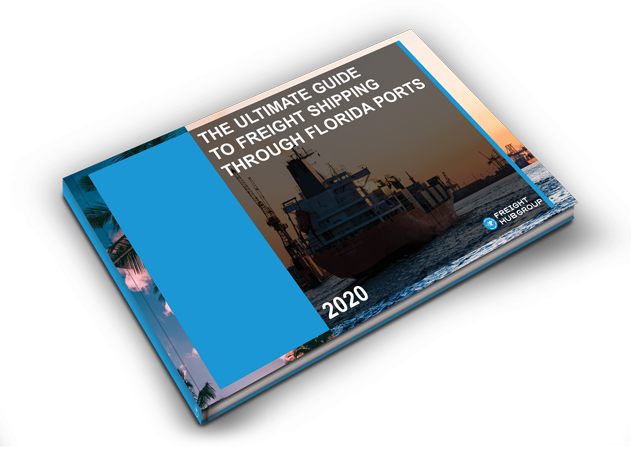
THE ULTIMATE GUIDE TO FREIGHT SHIPPING THROUGH FLORIDA PORTS
When it comes to ocean freight shipping in Florida, there is a lot to know to ensure you follow the appropriate steps when shipping into and out of Florida Ports.
Just enter in your email address and receive your FREE E-Book in minutes!