
Transloading vs Cross-Docking in Miami
Transloading and cross-docking both move freight between vehicles without long-term storage, but they differ in purpose: transloading transfers goods between different modes or container types (like ocean container to domestic trailer), while cross-docking sorts and consolidates inbound freight straight to outbound trucks. In Miami’s port-driven supply chains, importers use both to cut storage costs and speed delivery.
Transloading
Transloading unloads an ocean container and reloads the goods into a domestic 53′ trailer, so more product moves per road mile. It is ideal for import cargo continuing inland. See our CFS and transloading service.
Cross-docking
Cross-docking receives inbound shipments and routes them directly to outbound trucks with minimal handling and no storage, keeping goods moving. Learn more on our cross-dock page.
Which do you need?
Choose transloading to convert ocean containers for inland haul; choose cross-docking to consolidate and redistribute quickly. Pair either with drayage for a seamless port-to-door move.
Frequently asked questions
What is the main difference between transloading and cross-docking?
Transloading transfers goods between modes or container types; cross-docking sorts inbound freight directly to outbound trucks. Both avoid long-term storage.
Do both avoid warehousing costs?
Yes. Both are designed to keep freight moving with little or no storage, reducing holding costs.
Need transloading or cross-docking in Miami? Get a quote or call (786) 445-0150.
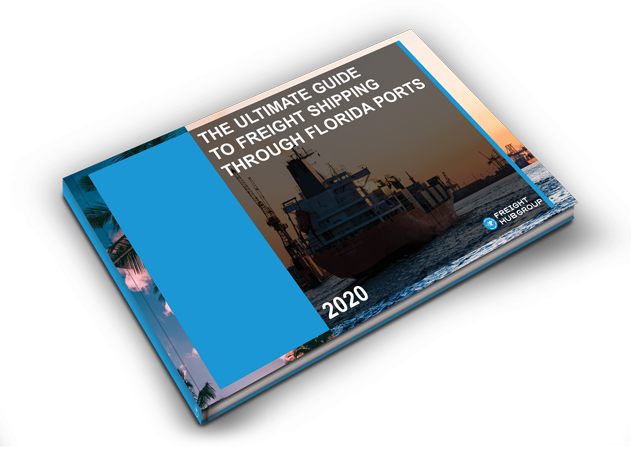
THE ULTIMATE GUIDE TO FREIGHT SHIPPING THROUGH FLORIDA PORTS
When it comes to ocean freight shipping in Florida, there is a lot to know to ensure you follow the appropriate steps when shipping into and out of Florida Ports.
Just enter in your email address and receive your FREE E-Book in minutes!