
Warehouse Workflow Automation: Reducing Manual Tasks Through Technology
Warehouse Workflow Automation: Working Smarter, Not Harder
Manual processes in warehouse operations create bottlenecks, introduce errors, and consume labor that could be redirected to higher-value activities. Workflow automation—from simple trigger-based rules to sophisticated robotic systems—systematically replaces manual steps with automated alternatives that improve speed, accuracy, and consistency.
Order Processing Automation
Automated order processing eliminates manual data entry by integrating customer order systems directly with the WMS. Orders flow from e-commerce platforms, EDI connections, and API integrations into the warehouse management system without human intervention. Automated order validation checks inventory availability, applies business rules for prioritization and routing, and releases orders for fulfillment. E-commerce operations processing thousands of daily orders benefit enormously from eliminating manual order entry and validation.
Automated Replenishment
WMS-driven replenishment triggers automatically move inventory from reserve storage to active pick locations when quantities drop below defined thresholds. This prevents stockouts in pick zones that would delay order fulfillment. System-generated replenishment tasks direct forklift operators to specific reserve locations and pick positions, ensuring the right product reaches the right location without supervisor intervention. 3PL operations configure replenishment rules per client based on product velocity and pick face capacity.
Document and Communication Automation
Automated Notifications
Automated email and system notifications keep all stakeholders informed without manual communication effort. Receiving confirmations notify clients when inbound shipments arrive. Shipment confirmations with tracking numbers go to customers automatically when orders ship. Low-inventory alerts warn buyers when stock approaches reorder points. Exception notifications flag problems requiring human attention—damaged receipts, order holds, and inventory discrepancies.
Automated Reporting
Scheduled report generation and distribution replaces manual data compilation. Daily inventory summaries, weekly performance dashboards, monthly billing reports, and custom client reports generate and distribute automatically. This not only saves labor but ensures reports are delivered consistently and on time.
Physical Automation
Beyond software automation, physical systems automate material movement. Conveyor sortation systems route packages to carrier lanes automatically. Automated label applicators apply shipping labels without manual placement. Dimensioning and weighing systems capture package data automatically for carrier manifesting. Print-and-apply systems generate and attach shipping labels to cartons as they pass on conveyors.
Automation extends to transportation operations—automated drayage scheduling, carrier rate shopping for LTL shipments, and freight management platforms that optimize routing and carrier selection.
Automated Efficiency at Go Freight
Go Freight leverages warehouse workflow automation to deliver faster, more accurate, and more cost-effective logistics services. Smart technology drives better results for our clients.
Get a Free Quote | Call 786-445-0150
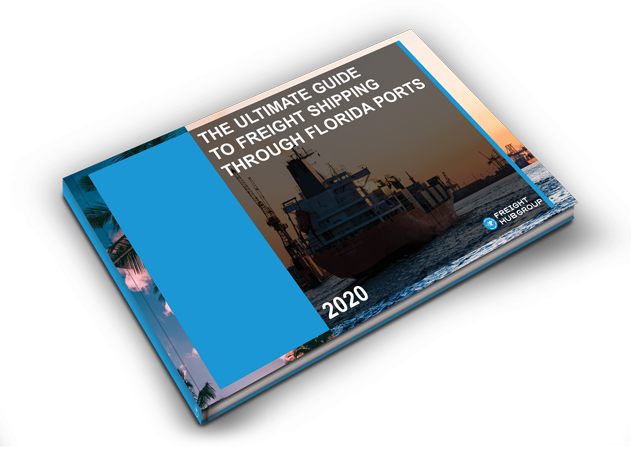
THE ULTIMATE GUIDE TO FREIGHT SHIPPING THROUGH FLORIDA PORTS
When it comes to ocean freight shipping in Florida, there is a lot to know to ensure you follow the appropriate steps when shipping into and out of Florida Ports.
Just enter in your email address and receive your FREE E-Book in minutes!