
Ammunition and Firearms Shipping: IATA & IMDG Dangerous Goods Compliance
Shipping Ammunition and Firearms Under Dangerous Goods Regulations
Ammunition and firearms shipments are subject to some of the most stringent dangerous goods regulations in international transport. Classified primarily under Class 1 (Explosives) of both IATA DGR and IMDG Code, these products require specialized handling, documentation, and carrier approvals that few logistics providers can navigate effectively.
Classification of Ammunition Under IATA and IMDG
Ammunition falls under Class 1, Division 1.4S (UN0012 for cartridges, small arms or UN0014 for blank cartridges). This classification applies to commercially manufactured ammunition designed for small arms. Other types of ammunition may fall under different divisions with more restrictive shipping requirements. Proper classification is the first step in compliant shipping.
IATA Requirements for Air Transport of Ammunition
IATA DGR permits Division 1.4S ammunition on both passenger and cargo aircraft under specific conditions. Packaging must meet UN performance standards, with gross weight limitations per package. The Shipper’s Declaration must accurately reflect the UN number, proper shipping name, net explosive quantity, and compatibility group. Many airlines impose additional operator variations beyond IATA minimums.
IMDG Code for Ocean Ammunition Shipments
Ocean transport under the IMDG Code provides additional options for larger ammunition shipments. Container packing requirements include specific stowage categories, segregation from incompatible goods, and magazine-style storage configurations. Container drayage providers must be aware of placarding and emergency response requirements.
Firearms Shipping Without Ammunition
Firearms shipped without ammunition are generally not classified as dangerous goods under IATA or IMDG. However, they remain subject to export controls, import permits, and security regulations in virtually every country. International freight forwarding for firearms requires expertise in both transport regulations and trade compliance.
Export Controls and Licensing
Beyond dangerous goods compliance, ammunition and firearms shipments must comply with ITAR (International Traffic in Arms Regulations) or EAR (Export Administration Regulations) depending on the product. Export licenses, end-user certificates, and country-specific import permits add layers of complexity to every international shipment.
Go Freight’s Ammunition Shipping Expertise
Go Freight provides specialized ammunition and firearms logistics services from South Florida. Our team holds current IATA DGR and IMDG Code certifications and maintains relationships with carriers approved for Class 1 dangerous goods transport.
Need Ammunition Shipping Solutions?
Navigate complex firearms and ammunition regulations with confidence. Go Freight’s certified team handles classification, documentation, and carrier coordination.
Get a Free Quote | Call 786-445-0150
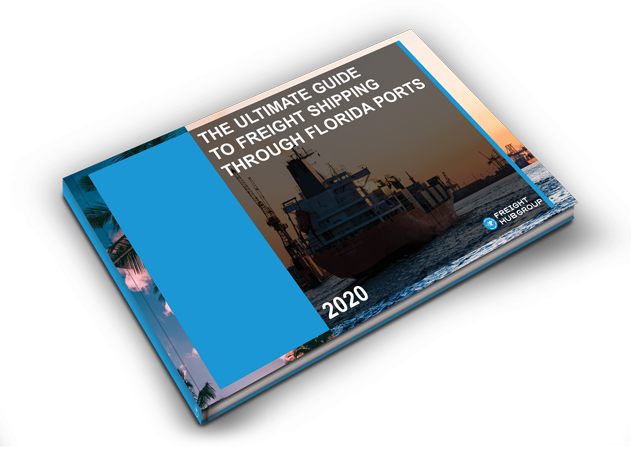
THE ULTIMATE GUIDE TO FREIGHT SHIPPING THROUGH FLORIDA PORTS
When it comes to ocean freight shipping in Florida, there is a lot to know to ensure you follow the appropriate steps when shipping into and out of Florida Ports.
Just enter in your email address and receive your FREE E-Book in minutes!