LOGISTICS NEWS
Go Freight Third-Party Logistics Blog
Digital Transformation of Dangerous Goods Documentation The dangerous goods industry is transitioning from paper-based documentation to digital systems that improve accuracy, speed, and traceability. Electronic IATA Shipper’s Declarations, digital IMDG dangerous goods declarations, and integrated data exchange platforms are reshaping…
Sulfuric Acid Shipping: Strong Corrosive Class 8 IATA IMDG Transport Guide
Shipping Sulfuric Acid Under Class 8 Corrosive Regulations Sulfuric acid is the world’s most produced industrial chemical and one of the most commonly shipped Class 8 corrosive dangerous goods. From battery acid to industrial processing reagent, sulfuric acid at various…
Oxygen Cylinder Shipping: Medical and Industrial O2 IATA IMDG Regulations
Shipping Oxygen Cylinders Under Dangerous Goods Regulations Oxygen in compressed gas (UN1072, Class 2.2 with 5.1 Oxidizer subsidiary risk) and liquid form (UN1073, Class 2.2/5.1) is essential for medical care, industrial cutting and welding, and water treatment. The oxidizer subsidiary…
Cannabis and Hemp Product Shipping: CBD THC Hazmat Classification Guide
Shipping Cannabis and Hemp Products Under Hazmat Regulations The legal cannabis and hemp industries have created new shipping compliance challenges at the intersection of dangerous goods regulations and controlled substance laws. While finished CBD products may not be hazmat, cannabis…
Hazmat Route Planning: DOT Restricted Routes and Tunnel Compliance Guide
Hazmat Route Planning and Restricted Route Compliance Routing dangerous goods shipments involves more than finding the shortest path between origin and destination. Federal, state, and local regulations restrict hazmat vehicle routes through populated areas, tunnels, bridges, and environmentally sensitive zones.…
Nitrogen Gas Shipping: Compressed and Liquid N2 IATA IMDG Transport Guide
Shipping Nitrogen Gas Under Dangerous Goods Regulations Nitrogen, the most abundant gas in Earth’s atmosphere, becomes a regulated dangerous good under IATA DGR and IMDG Code when shipped in compressed or liquefied form. Its classification as a non-flammable, non-toxic gas…
Top News
What is Container Drayage and How does it Work?
What is Reverse Logistics? Doesn’t Have To Be Hard
What is 3PL Warehouse? Some Key Benefits of 3PL Warehouse
What is 3PL meaning in logistics or more precisely what is 3PL?
What is Last Miles Delivery Explained?
What is a 3PL Provider? Ins and Outs of Third-Party Logistics Providers
Podcast Room
IATA DGR New Edition

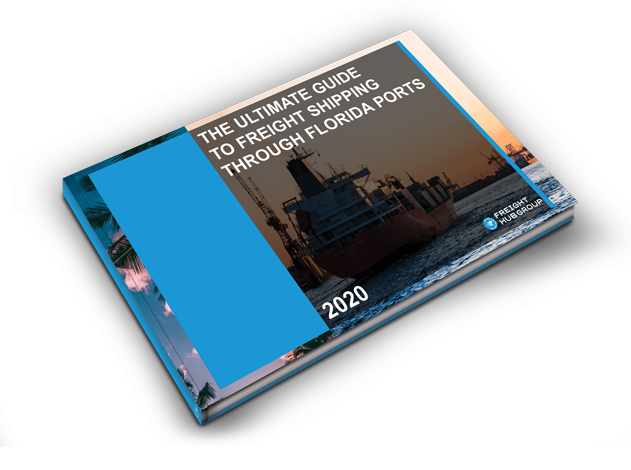
GET YOUR FREE GUIDE TO FREIGHT SHIPPING THROUGH FLORIDA PORTS
When it comes to ocean freight shipping in Florida, there is a lot to know to ensure you follow the appropriate steps when shipping into and out of Florida Ports.
Just enter in your email address and receive your FREE E-Book in minutes!