
How cold chain warehousing works in Miami in 2026: temperature zones, food-safety compliance, reefer handoffs, and picking a 3PL for perishable imports.
Cold Chain Warehousing in Miami: A 2026 Guide
Cold chain warehousing in Miami keeps temperature-sensitive cargo — produce, seafood, pharmaceuticals, and specialty food — within a validated temperature range from the moment it leaves the reefer container to the moment it ships to the customer. In a 2026 South Florida market driven by Latin American perishable imports, an unbroken cold chain is the difference between sellable inventory and a rejected load.
Why Miami is a cold chain hub
Miami is the primary U.S. gateway for perishable imports from Central and South America, moving fresh produce, flowers, and seafood through PortMiami, Port Everglades, and Miami International Airport. That volume only pays off if the cargo stays cold at every handoff, which is why validated cold storage close to the ports and airport is in constant demand.
Temperature zones you need to know
- Frozen: deep-cold storage for seafood, meat, and frozen foods.
- Chilled/refrigerated: for produce, dairy, and many pharmaceuticals.
- Controlled ambient: cool, stable rooms for goods that must avoid heat but not freeze.
A capable Miami 3PL segregates these zones and monitors each one continuously, because a single warm dock transfer can compromise an entire pallet.
The reefer handoff is where cold chains break
The riskiest moment is the transfer from a refrigerated container to the warehouse. If the container is opened on a hot dock and product sits before it reaches the cold room, the chain is broken even if the warehouse itself is perfect. Tight scheduling between drayage and receiving is essential — see our reefer drayage guide for Miami and how warehouse temperature control systems work.
Compliance: food safety and pharma
Perishable food storage in the U.S. falls under FDA food-safety rules, and temperature-controlled pharma adds its own chain-of-custody and monitoring expectations. A serious cold chain 3PL documents temperatures continuously, keeps records for audits, and has written procedures for excursions. Ask any provider how they log temperatures and what happens when a reading drifts out of range.
Choosing a cold chain 3PL in Miami
Look for validated temperature zones, continuous monitoring with alerts, backup power, proximity to the ports and airport, and drayage that can move reefers fast so cargo never waits warm. Go Freight combines South Florida warehousing with asset-based reefer drayage, so the cold chain stays intact from port to shelf. Explore our 3PL warehouse services and refrigerated trucking.
Frequently asked questions
What is cold chain warehousing?
Cold chain warehousing is temperature-controlled storage that keeps sensitive cargo within a validated range at every step, with continuous monitoring and documentation, so products like produce, seafood, and pharmaceuticals stay safe and sellable.
Why is Miami important for cold chain logistics?
Miami is the leading U.S. gateway for perishable imports from Latin America, moving produce, flowers, and seafood through its ports and airport, which drives strong demand for validated cold storage nearby.
How do I keep the cold chain from breaking at the warehouse?
Schedule the reefer handoff tightly so containers are unloaded straight into the correct temperature zone, avoid warm dock dwell, and use a provider that monitors and documents temperatures continuously.
Importing perishables through Miami? Get a free quote or call (786) 445-0150.
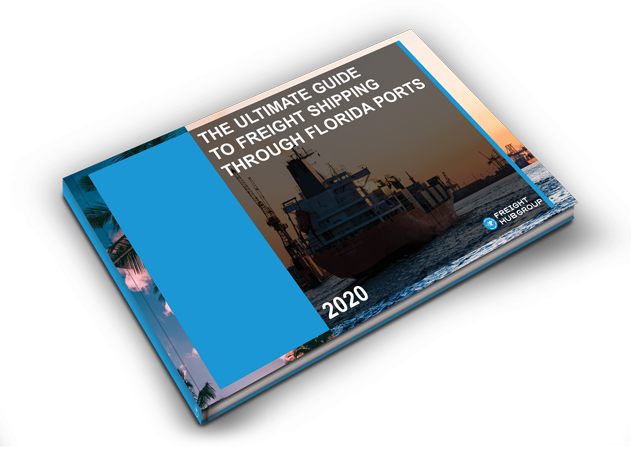
THE ULTIMATE GUIDE TO FREIGHT SHIPPING THROUGH FLORIDA PORTS
When it comes to ocean freight shipping in Florida, there is a lot to know to ensure you follow the appropriate steps when shipping into and out of Florida Ports.
Just enter in your email address and receive your FREE E-Book in minutes!