
Complete Guide to Hazmat Segregation Rules for Mixed Loads
Hazmat Segregation Rules for Mixed Loads
When transporting multiple hazmat classes on the same vehicle, DOT segregation rules dictate which materials can share space and which must be kept apart. Violating segregation requirements is both dangerous and illegal. Go Freight’s hazmat team plans every mixed load with strict adherence to the segregation table in 49 CFR 177.848.
The Segregation Table
The DOT segregation table specifies four levels of segregation for incompatible materials. “X” means the materials may not be loaded on the same vehicle under any circumstances. “O” means they may be loaded together only if separated in a specific manner. No designation means the materials are compatible for transport together. The table cross-references all nine hazmat classes against each other.
Critical Incompatibilities
Some of the most dangerous incompatibilities include oxidizers (Class 5.1) with flammable liquids (Class 3) — can cause violent fire. Acids (some Class 8) with cyanide compounds (Class 6.1) — can produce deadly hydrogen cyanide gas. Oxidizers with organic materials — can cause spontaneous combustion. And water-reactive materials (Class 4.3) with any aqueous solution. Go Freight never allows incompatible materials on the same vehicle.
Physical Separation Methods
When the segregation table permits materials on the same vehicle with separation, DOT specifies methods for achieving that separation. This may include separation by distance within the vehicle, barrier walls between incompatible materials, placement in different compartments, or separate palletization with specific spacing requirements.
Practical Challenges for Multi-Stop Routes
Multi-stop delivery routes create dynamic segregation challenges. As materials are picked up and delivered, the load composition changes and segregation must be maintained at every stage. Go Freight’s dispatch team plans delivery sequences that maintain segregation compliance throughout the route, even as the truck’s contents change at each stop.
Shipper vs Carrier Responsibility
Both shippers and carriers share responsibility for segregation compliance. Shippers must provide accurate classification information, and carriers must plan loads that maintain proper segregation. Go Freight works collaboratively with shippers to ensure load planning meets all segregation requirements before the first package is loaded.
Expert Load Planning
Need help with hazmat segregation for mixed loads? Go Freight plans every load with strict compliance to DOT segregation rules.
Get a Free Quote | Call 786-445-0150
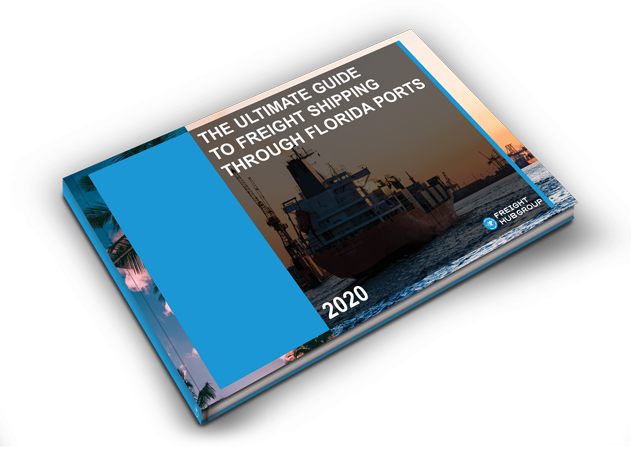
THE ULTIMATE GUIDE TO FREIGHT SHIPPING THROUGH FLORIDA PORTS
When it comes to ocean freight shipping in Florida, there is a lot to know to ensure you follow the appropriate steps when shipping into and out of Florida Ports.
Just enter in your email address and receive your FREE E-Book in minutes!