
Dangerous Goods Audit Checklist: IATA DGR and IMDG Code Compliance Self-Assessment
Dangerous Goods Audit Checklist: Comprehensive IATA and IMDG Compliance Review
Regular self-assessment audits are the cornerstone of a proactive hazmat compliance program. Whether preparing for a regulatory inspection, evaluating a new freight partner, or validating internal processes, this comprehensive checklist covers the critical areas auditors examine under IATA DGR and IMDG Code frameworks.
Training and Personnel Qualifications
The first area any dangerous goods auditor examines is training compliance. Key checkpoints include verifying that all personnel handling, preparing, or signing for dangerous goods shipments hold current training certificates, that training records are maintained for a minimum of three years (or as required by national regulations), and that training programs cover the specific functions each employee performs. Both IATA and IMDG require function-specific training—a person who only packs dangerous goods needs different training than one who completes shipping documents.
Classification and Identification Procedures
Audit your classification procedures by confirming that SDS review processes exist for all new products, that proper UN numbers and hazard classes are assigned using current regulatory editions, and that subsidiary hazards and special provisions are correctly identified. Freight forwarding operations should maintain a product classification database that is regularly updated when regulations change.
Packaging and Preparation Audit Points
Packaging Selection and Verification
Verify that all packaging used for dangerous goods shipments carries valid UN certification marks, that packaging specifications match the packing group and hazard class of contents, that closure instructions from packaging manufacturers are available and followed, and that quality assurance checks are performed on incoming packaging materials. Document any packaging failures or near-misses for corrective action.
Marking and Labeling Inspection
Check that all packages display correct UN number marks, proper shipping names, and consignor/consignee information. Verify that hazard labels match the classified hazards, orientation arrows are applied where required, and limited/excepted quantity marks are used only when quantity thresholds are met. Drayage operations should inspect marking legibility after handling and transport.
Documentation Review
Shipping Papers and Declarations
Audit documentation practices by reviewing recent Shipper’s Declarations for completeness and accuracy, verifying that emergency response information accompanies all shipments, confirming that the proper form editions are in use (IATA DGD format updates annually), and checking that electronic documentation systems produce compliant outputs. Logistics teams should perform random documentation audits monthly.
Record Retention
Verify that shipping records are retained for the required period (minimum 375 days for IATA, varying by national regulation for IMDG), that training records are accessible and current, that incident and accident reports have been properly filed, and that special permit or approval documentation is on file and within validity dates.
Facility and Storage Compliance
Warehouse and storage facilities should be audited for proper segregation of incompatible dangerous goods, adequate ventilation and fire suppression systems, availability of emergency equipment and spill response materials, proper signage and access controls, and compliance with quantity limits for storage areas. Temperature monitoring records for temperature-sensitive dangerous goods should be reviewed for gaps or excursions.
Corrective Action and Continuous Improvement
A robust audit program includes procedures for documenting findings, assigning corrective actions with deadlines, verifying completion of corrective actions, and trending data to identify systemic issues. Audit frequency should match risk level—high-volume hazmat operations warrant quarterly audits, while lower-volume shippers may conduct semi-annual reviews.
Expert Hazmat Compliance Audits with Go Freight
Go Freight’s compliance team conducts thorough dangerous goods audits, identifies gaps, and implements corrective actions. Stay ahead of inspections with our proactive compliance support.
Get a Free Quote | Call 786-445-0150
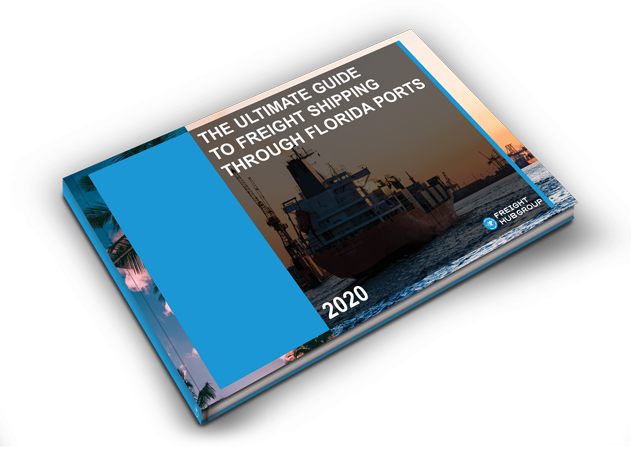
THE ULTIMATE GUIDE TO FREIGHT SHIPPING THROUGH FLORIDA PORTS
When it comes to ocean freight shipping in Florida, there is a lot to know to ensure you follow the appropriate steps when shipping into and out of Florida Ports.
Just enter in your email address and receive your FREE E-Book in minutes!