
Understanding LTL Dimensional Weight Pricing in South Florida
How Dimensional Weight Affects Your LTL Costs
Dimensional weight pricing has become a dominant factor in LTL shipping costs. Understanding how carriers calculate dimensional weight — and how to optimize your shipments accordingly — can save South Florida businesses significant money on every shipment.
What Is Dimensional Weight?
Dimensional weight (also called DIM weight) calculates a theoretical weight based on the space your shipment occupies rather than its actual weight. Carriers charge based on whichever is greater — actual weight or dimensional weight. This system prevents lightweight, bulky shipments from occupying expensive trailer space at low actual-weight rates.
The Density Connection
LTL freight class is increasingly determined by density — pounds per cubic foot. To calculate density, multiply length x width x height in inches, divide by 1,728 for cubic feet, then divide actual weight by cubic feet. Higher density means lower freight class and lower rates. South Florida shippers optimizing density directly reduce shipping costs.
Common Density Optimization Strategies
Right-sizing packaging eliminates wasted space — don’t ship air. Removing products from display packaging for freight shipment reduces volume. Using compressible void fill instead of rigid materials lets cartons compact. Nesting items (bowls, chairs, containers) uses interior space productively. Go Freight’s freight consultants identify density opportunities for regular shippers.
Pallet Loading Optimization
How you load pallets dramatically affects dimensional weight. Stacking cartons to maximum stable height increases density. Using uniform carton sizes eliminates awkward spaces between layers. Pyramid stacking wastes space — cube-out pallets whenever possible.
When Dimensional Pricing Works Against You
Lightweight, bulky products like furniture, foam products, plastic containers, and corrugated boxes suffer most from dimensional pricing. These commodities face Class 150+ ratings that make LTL expensive. For extreme cases, full truckload or partial truckload may be more cost-effective despite lower volume utilization.
Negotiating Density-Based Rates
Volume LTL shippers can negotiate FAK (Freight All Kinds) agreements that assign a single freight class regardless of density. These agreements protect against classification surprises. Go Freight negotiates FAK rates for qualifying South Florida businesses, and our warehouse operations optimize packaging before every shipment.
Optimize Your LTL Shipping Costs
Go Freight helps South Florida businesses reduce LTL costs through density optimization, packaging guidance, and negotiated carrier rates.
Get a Free Quote | Call 786-445-0150
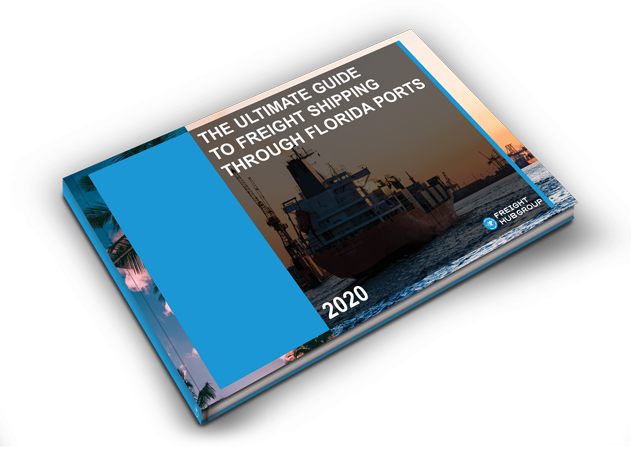
THE ULTIMATE GUIDE TO FREIGHT SHIPPING THROUGH FLORIDA PORTS
When it comes to ocean freight shipping in Florida, there is a lot to know to ensure you follow the appropriate steps when shipping into and out of Florida Ports.
Just enter in your email address and receive your FREE E-Book in minutes!