
Warehouse Disaster Recovery Planning: Business Continuity for 3PL Operations
Warehouse Disaster Recovery: Protecting Your Supply Chain from the Unexpected
Natural disasters, fires, power outages, and other disruptions can halt warehouse operations and cascade through entire supply chains. In South Florida, where hurricane season runs six months of the year, robust disaster recovery and business continuity planning isn’t optional—it’s a fundamental business requirement.
Risk Assessment for South Florida Warehouses
Effective disaster planning begins with identifying the specific threats facing your facility. South Florida warehouses face hurricanes and tropical storms bringing wind damage and flooding, power outages from severe weather, flooding from storm surge and heavy rainfall, fire risks inherent in storage operations, and water damage from roof failures or sprinkler malfunctions. Each risk requires specific mitigation strategies and response procedures tailored to the facility’s construction, location, and inventory profile.
Hurricane Preparedness
Hurricane preparedness for warehouses includes structural hardening with wind-rated doors and roof systems, pre-storm inventory protection procedures including elevating pallets and covering products with plastic sheeting, backup power systems for critical operations and refrigeration, emergency contact lists and communication plans, and pre-positioned relationships with emergency restoration contractors. 3PL operators must communicate hurricane plans to all clients and coordinate pre-storm shipping priorities.
Business Continuity Planning
Backup Facility Arrangements
Business continuity plans should identify backup warehouse capacity available if the primary facility is damaged or inaccessible. Reciprocal agreements with other warehouse operators, pre-negotiated emergency space leases, or maintaining a small secondary facility provide options for continuing operations during facility recovery. Supply chain partners should understand and align with your continuity plans.
Data and Systems Recovery
WMS data, inventory records, customer information, and operational documentation must be backed up and recoverable from offsite locations. Cloud-based WMS systems provide inherent disaster recovery advantages over on-premise servers. Regular backup testing—actually restoring from backups to verify completeness and usability—validates your recovery capability.
Response and Recovery Procedures
Emergency Response Protocol
Documented emergency response procedures define who makes decisions, how communication flows, and what actions occur at each stage of a disaster event. Evacuation procedures prioritize human safety. Property protection actions—shutting down systems, securing hazardous materials, protecting critical equipment—follow established checklists. Hazmat storage areas require specific disaster response procedures for dangerous goods.
Post-disaster recovery involves damage assessment, insurance claim initiation, temporary operations establishment, and full restoration planning. Transportation recovery coordination ensures that inbound and outbound freight flows resume as quickly as possible once operations restart.
Resilient Warehousing with Go Freight
Go Freight’s disaster recovery and business continuity plans protect your inventory and keep your supply chain moving through disruptions. Our South Florida facilities are built and managed for resilience.
Get a Free Quote | Call 786-445-0150
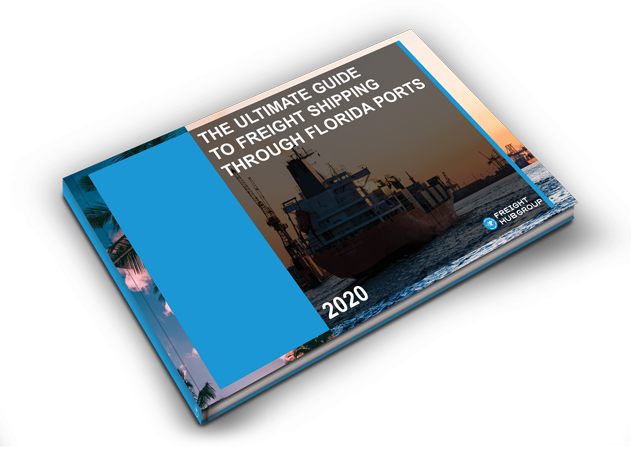
THE ULTIMATE GUIDE TO FREIGHT SHIPPING THROUGH FLORIDA PORTS
When it comes to ocean freight shipping in Florida, there is a lot to know to ensure you follow the appropriate steps when shipping into and out of Florida Ports.
Just enter in your email address and receive your FREE E-Book in minutes!