
Warehouse Truck Loading Best Practices for Damage-Free Shipping
Loading Trailers Right: Preventing Damage Before It Starts
Improper truck loading is one of the leading causes of freight damage, rejected shipments, and costly claims. Effective loading practices protect products throughout transit, maximize trailer utilization, and ensure compliance with weight regulations. Every warehouse team member involved in outbound operations should understand and follow proper loading procedures.
Go Freight’s warehouse teams follow strict loading protocols across South Florida operations to ensure freight arrives at its destination in perfect condition.
Pre-Loading Trailer Inspection
Before loading begins, inspect the trailer for cleanliness, structural integrity, and suitability. Check for holes in walls or roof that could allow water intrusion, protruding nails or bolts that could damage product, odors or residue from previous loads, and proper functioning of doors and latches. Reject trailers that don’t meet standards—loading into a defective trailer creates liability for damage that occurs in transit.
Load Planning and Sequencing
Plan the loading sequence based on delivery stops (last stop loaded first), product compatibility, weight distribution, and stacking requirements. Heavy items go on the bottom, lighter items on top. Never stack beyond a product’s rated stacking limit. Full truckload shipments should be loaded to maximize cube utilization while respecting weight limits—the legal maximum for most highway trailers is 44,000-45,000 pounds of freight.
Weight Distribution and Axle Limits
Improper weight distribution creates safety hazards and DOT violations. Distribute weight evenly side-to-side and concentrate the heaviest portion between the trailer’s axle groups. Front-heavy loads make steering difficult; rear-heavy loads reduce traction. For LTL shipments, proper palletization and positioning within the trailer prevent shifting during multiple stop-and-go deliveries.
Securing and Bracing Techniques
Use load bars, straps, airbags, and void fillers to prevent freight movement during transit. Palletized freight should be stretch-wrapped before loading and braced against the trailer walls. Mixed loads require separation between incompatible products—chemicals away from food products, heavy items away from fragile goods. Proper securing is especially critical for container drayage loads that may encounter rough port roads and multiple handling points.
Documentation and Verification
Document the loaded condition with photographs, particularly for high-value or damage-prone shipments. Verify piece counts against shipping documents before sealing the trailer. Note any pre-existing product damage on the bill of lading to protect against false claims. Clear documentation protects both the warehouse and the carrier in damage disputes.
Professional Loading Operations at Go Freight
Our trained warehouse teams follow strict loading protocols to protect your freight and maximize trailer utilization across South Florida operations.
Get a Free Quote | Call 786-445-0150
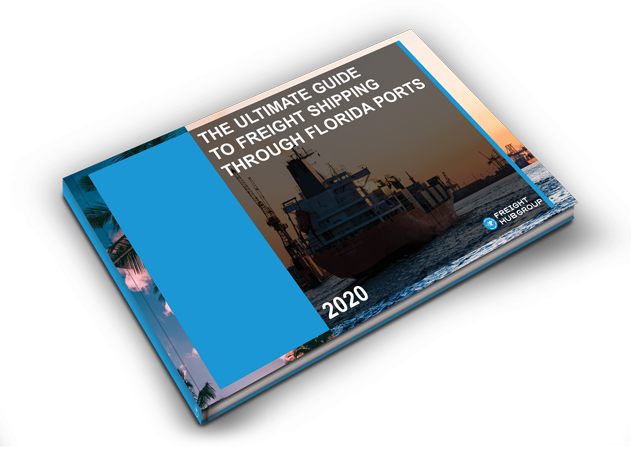
THE ULTIMATE GUIDE TO FREIGHT SHIPPING THROUGH FLORIDA PORTS
When it comes to ocean freight shipping in Florida, there is a lot to know to ensure you follow the appropriate steps when shipping into and out of Florida Ports.
Just enter in your email address and receive your FREE E-Book in minutes!