
What is a Dry Van Truck vs Box Truck Explained

In this article, we shall explain what does dry van mean in trucking.
What is a Dry Van Truck?
In freight transport, a dry van truck is an enclosed shipping container. It is built to protect the cargo being transported from bad weather, rain, and snow. Cargo transported using dry vans does not require refrigeration, hence dry van trailers aren’t fitted with fridges.

The dry van freight shipping container have:
- Metal coating all-round
- Mostly fitted with swing open doors
- Mostly fitted with wooden flooring.
In fact, a standard dry van trailer carries a standard 41,000 to 45,000 pounds.
There are many different types of trucks on the market for third party logistics, each with their own unique capabilities. Two of the most popular truck types are dry van trucks and box trucks. Both have their own benefits.
Dry van trucks are the most popular type of truck used in the United States. Dry van trucks typically have a cargo area that is enclosed by walls, making them ideal for carrying items that need to be protected from the elements.
Box trucks, on the other hand, are designed for carrying larger items. They have an open cargo area that is typically accessed from the rear of the truck. Box trucks are often used for moving furniture or large appliances.
Freight hauled by dry vans
The dry van trailers are used to transport different freight types especially non perishable goods such as;
- Non perishable food – potato chips, canned goods, and cereal
- Clothing
- Home items – appliances, furniture, garbage cans, and more.
- Machinery and equipment.
- Construction materials – paint, hammers, and nails.
Dry Van vs Box Truck
You probably have been seeing trucks on the road and you have no idea what is the difference between different trucks. Let us have a look at dry van vs box truck right away.

A dry van as we have defined it is an enclosed shipping container with a door at the back. It is used to transport non perishable goods which require no refrigeration. In fact, dry van shipping is highly demanded in the US as the shipping containers protect the products from bad weather (rain and snow).
The dry van truck definition is often misguided by defining a dry van for what it isn’t. It is not a temperature controlled truck, used to carry fresh produce such as meat and dairy items.
What Is a Box Truck?
Actually, the name “Box” truck takes after it’s box shape. It is also called a rolling toaster, cube truck, cube van, or box van. It has an enclosed container which is divided into different cargo areas with cabin and goods components separated by a door for some models.
Ideally, box trucks come in different sizes and are used to perform different tasks such as delivery and transportation. Some of the facts you need to know about box trucks.
Requires no trailer
Imagine the amount of time you could spend mounting and hauling a trailer, you probably could have transported products to the required destination.
Offers a free advertising platform
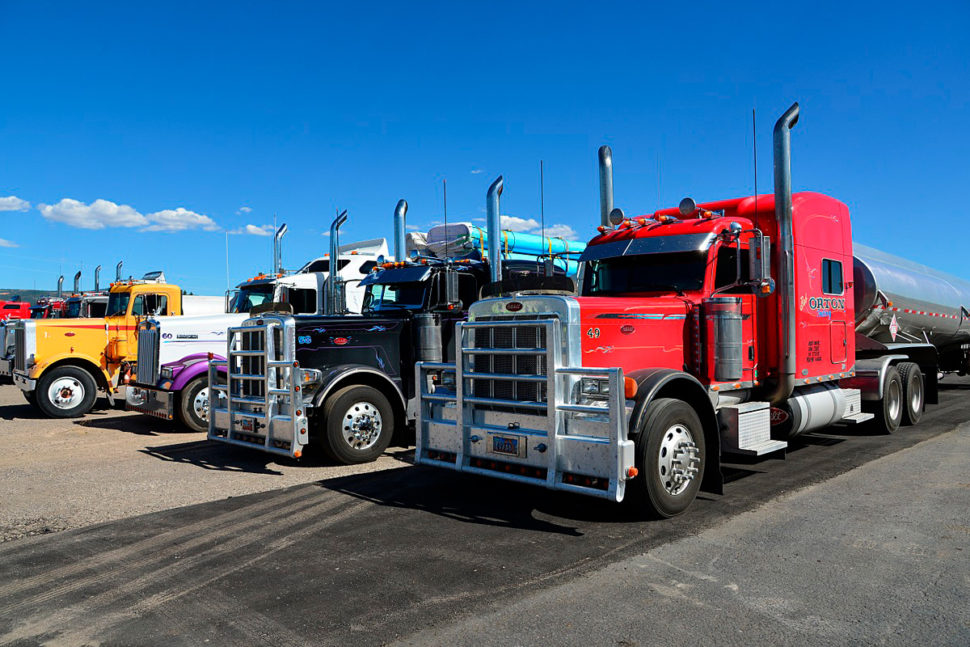
When transporting goods a box truck will move across different cities and will be seen by many people, therefore one can promote a brand by having your business banner stocked on the sides or wheels. The dry vans can also be used to promote a specific brand to the public as well.
Affordable gas mileage
Box trucks are smaller in size compared to dry vans and they can easily maneuver the local suburbs delivery products to specific home addresses at an affordable shipping cost compared to using large trucks. In this sense, there is no other common type of truck used for delivery in areas with congested traffic rather than box trucks.
Safety
As a matter of fact, in supply chain management the safety of products is key. Box trucks and dry vans are relatively safe from vandals who would have the intention of breaking and stealing goods. In addition, they both ensure products are protected from bad weather.
In reality, these two common types of freight trucks are confused but hopefully, you have gotten the difference now.

What Is a Box Truck?
A box truck (also called a straight truck, cube truck, or cube van) is a vehicle where the cargo area is attached directly to the cab on the same chassis. The driver and cargo share the same vehicle frame. Box trucks typically range from 10 to 26 feet in length and can carry between 3,000 and 10,000 pounds of cargo.
Box trucks are commonly used for local deliveries and moving, furniture and appliance delivery, catering and food service, small business distribution, and last mile delivery for ecommerce orders. You see them everywhere as delivery vehicles for companies like FedEx, Amazon, and local moving companies.
Box Truck Sizes and Capacities
Box trucks come in several standard sizes. A 10-12 foot box truck holds roughly 450 cubic feet and is ideal for small local moves or deliveries. A 14-16 foot box truck holds about 800 cubic feet and works well for apartment moves or medium deliveries. A 20-22 foot box truck provides roughly 1,200 cubic feet and handles larger household moves. The largest common size, a 24-26 foot box truck, offers about 1,600 cubic feet and is used for commercial deliveries and larger moves. Most box trucks require only a standard driver’s license for vehicles under 26,001 pounds GVWR.
What Is a Dry Van Truck?
A dry van truck consists of a semi-truck (tractor) pulling a separate enclosed trailer. The trailer is a sealed, non-temperature-controlled box that protects freight from weather and road debris. Dry van trailers are the most common type of freight trailer in the United States, making up over 70% of all trailers on the road.
Standard dry van trailers are 53 feet long, 8.5 feet wide, and 9 feet tall inside, providing roughly 3,000 cubic feet of cargo space. They can carry up to 45,000 pounds of freight. Dry vans are the workhorses of the American freight industry, transporting everything from consumer goods to industrial supplies across the country.
Dry Van Trailer Specifications
A standard 53-foot dry van trailer has an interior length of 53 feet (some older trailers are 48 feet), interior width of 8.5 feet (100 inches between the walls), interior height of 9 feet (108 inches), cargo capacity of approximately 3,000 cubic feet, a maximum payload of 42,000-45,000 pounds, and standard rear swing doors or roll-up doors for loading and unloading. Some dry vans also feature logistics posts (load-securing tracks) on the interior walls for securing freight with straps and load bars.
Dry Van vs Box Truck: Key Differences
Size and Capacity
This is the biggest difference. A dry van trailer provides roughly double the cargo space of the largest box trucks. A 53-foot dry van holds about 3,000 cubic feet and 45,000 pounds, while a 26-foot box truck maxes out at 1,600 cubic feet and 10,000 pounds. For large commercial shipments, dry vans are the only practical option.
Licensing Requirements
Box trucks under 26,001 pounds GVWR can be driven with a standard Class C driver’s license. Dry van semi-trucks always require a Commercial Driver’s License (CDL) Class A, since the combined vehicle weight exceeds 26,000 pounds. This affects both hiring costs and driver availability.
Cost Comparison
Box truck shipping is generally cheaper for small, local loads. A local box truck delivery in Miami might cost $200-$500. A dry van full truckload shipment across Florida might cost $1,500-$3,000. However, on a per-pound or per-pallet basis, dry van shipping is often more economical for larger volumes because you are moving much more freight per trip.
Use Cases
Choose a box truck when: you have a small load (under 6 pallets), the delivery is local (under 100 miles), you need residential or tight-space deliveries, or you are moving household goods.
Choose a dry van when: you have a large shipment (6-26 pallets), you need to ship freight long distances, you are moving full truckloads of product, or you need your freight combined with other shipments via LTL.
Maneuverability
Box trucks are significantly more maneuverable than dry van semi-trucks. They can navigate residential streets, tight parking lots, and urban areas where a 53-foot trailer simply cannot go. This makes box trucks the preferred choice for last mile delivery and local distribution.
Loading and Unloading
Both dry vans and box trucks load from the rear. However, box trucks typically sit lower to the ground, making them accessible without a loading dock. Dry van trailers are designed for dock-height loading and often require a forklift or pallet jack to load and unload efficiently.
When to Use Each for Your Business
Ecommerce and retail: Most ecommerce businesses use a combination of both. Products ship from the manufacturer to a 3PL warehouse via dry van, then get delivered to customers via box truck for the last mile.
Importers: If you are importing goods through PortMiami, your containers arrive on chassis (similar to dry van size). From the port, a transloading service can break the container down into smaller box truck loads for local distribution.
Manufacturers: Finished goods typically ship out via dry van trucking for long-haul distribution, with box trucks handling local deliveries from regional distribution centers.
Event companies: Trade show and event logistics often use box trucks for delivering exhibit materials to convention centers where large trailers cannot access the loading areas.
Dry Van and Box Truck Shipping in Miami
Go Freight operates both dry van trucks and box trucks from our Miami facility. Whether you need a full dry van truckload, an LTL shipment, or a local box truck delivery, we handle it with our own fleet. As an asset-based 3PL, we own our trucks and warehouse — no brokers, no middlemen.
Get a free shipping quote: Call 786-445-0150 or request a quote online.
Need Dry Van Trucking in Miami?
Go Freight operates our own fleet of dry van trucks throughout South Florida. Whether you need dry van trucking, LTL freight, or full truckload shipping, we handle it all as an asset-based 3PL.
Recent Posts
- Warehouse Solutions for Tire and Automotive Aftermarket Products
- Warehouse Slotting Optimization for Faster Order Fulfillment
- Why Choose Go Freight for Warehouse and 3PL Services in South Florida
- Warehouse Pest Control and Integrated Pest Management Programs
- Warehouse Solutions for Appliance Storage and Distribution
Watch our Podcast

THE ULTIMATE GUIDE TO FREIGHT SHIPPING THROUGH FLORIDA PORTS
When it comes to ocean freight shipping in Florida, there is a lot to know to ensure you follow the appropriate steps when shipping into and out of Florida Ports.
Just enter in your email address and receive your FREE E-Book in minutes!