
Cryogenic Liquid Shipping: Liquid Nitrogen and Helium IATA IMDG Compliance
Shipping Cryogenic Liquids Under Dangerous Goods Regulations
Cryogenic liquids including liquid nitrogen, liquid helium, liquid oxygen, and liquid argon are essential for medical, scientific, and industrial applications. These extremely cold substances (-150°C and below) are classified as Class 2 compressed gases under IATA DGR and IMDG Code, with specialized handling requirements driven by their unique physical properties.
Cryogenic Liquid Classifications
Liquid nitrogen (UN1977, Class 2.2 Non-Flammable Gas) is the most commonly shipped cryogen. Liquid oxygen (UN1073, Class 2.2 with subsidiary 5.1 Oxidizer) presents fire enhancement risks. Liquid hydrogen (UN1966, Class 2.1 Flammable Gas) carries the most restrictive requirements. Liquid helium (UN1963, Class 2.2) is critical for MRI machines and scientific research. Each cryogen’s subsidiary hazards determine specific packaging and transport requirements.
IATA Requirements for Air Transport
Air shipping of cryogenic liquids under IATA DGR is limited to specific dewar (vacuum-insulated) containers designed for air transport. Packing Instruction 202 specifies container requirements including pressure relief venting, thermal performance standards, and filling ratios. Not all cryogenic containers are air-transport qualified, and air carriers may impose additional restrictions on cryogenic acceptance beyond IATA minimums.
IMDG Code for Ocean Transport
Ocean transport of cryogenic liquids under the IMDG Code allows larger volumes in portable tanks and ISO containers designed for cryogenic service. Stowage must accommodate continuous venting of boil-off gas and prevent cold damage to adjacent cargo or vessel structure. Port handling of cryogenic containers requires personnel trained in cold hazard awareness and asphyxiation risk management.
Dewar and Container Requirements
Cryogenic dewars must be designed, manufactured, and tested to specific pressure vessel standards. Vacuum insulation integrity determines holding time (how long the product remains liquid). Pressure relief devices must function reliably at cryogenic temperatures. Container orientation, filling limits, and labeling requirements vary between transport modes and cryogenic types.
Asphyxiation and Cold Hazard Safety
Cryogenic liquid vaporization in enclosed spaces creates asphyxiation hazards as oxygen is displaced by inert gas. Direct contact causes severe cold burns. Storage facilities and transport vehicles must provide adequate ventilation, oxygen monitoring where appropriate, and personnel protective equipment for cryogenic handling operations.
Go Freight’s Cryogenic Logistics
Go Freight provides cryogenic liquid shipping from South Florida, serving medical facilities, research institutions, and industrial gas distributors. Our compressed gas team coordinates specialized dewar transport with carriers equipped for cryogenic handling.
Cryogenic Shipping Solutions
Ship liquid nitrogen, helium, and other cryogens safely with Go Freight’s specialized gas logistics team.
Get a Free Quote | Call 786-445-0150
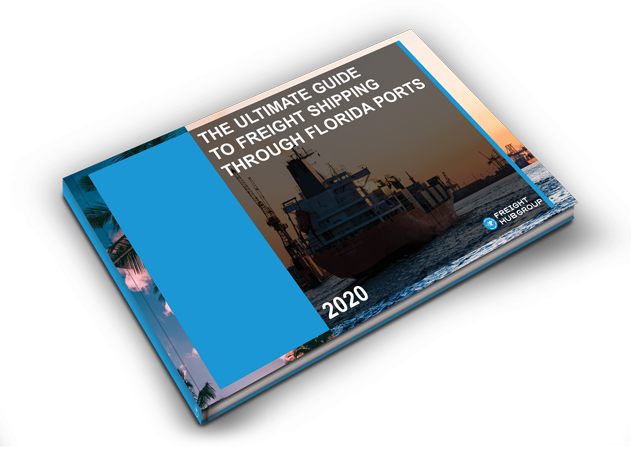
THE ULTIMATE GUIDE TO FREIGHT SHIPPING THROUGH FLORIDA PORTS
When it comes to ocean freight shipping in Florida, there is a lot to know to ensure you follow the appropriate steps when shipping into and out of Florida Ports.
Just enter in your email address and receive your FREE E-Book in minutes!