
Undeclared Dangerous Goods Risks: Hidden Hazmat Penalties and Prevention
The Hidden Danger of Undeclared Dangerous Goods
Undeclared dangerous goods represent one of the most serious safety threats in the transportation industry. When hazardous materials are shipped without proper IATA or IMDG classification, packaging, and documentation, they endanger lives, cause aircraft and vessel incidents, and expose shippers to severe legal and financial consequences that can destroy businesses.
How Undeclared Dangerous Goods Occur
Undeclared hazmat shipments result from several factors including shipper ignorance of product hazards, deliberate concealment to avoid hazmat surcharges, supply chain intermediaries unfamiliar with products they handle, and vague product descriptions that obscure hazardous contents. Consumer products containing lithium batteries, flammable liquids, or corrosive ingredients are the most common undeclared dangerous goods in commerce.
Consequences for Air Transport
Undeclared dangerous goods in air cargo have caused multiple fatal aircraft accidents. Lithium batteries catching fire in aircraft cargo holds, flammable liquids leaking and igniting, and corrosive materials damaging aircraft structures are documented incidents. Airlines and air cargo operators invest heavily in screening programs to detect undeclared hazmat, but the volume of air freight makes comprehensive detection impossible.
Consequences for Ocean Transport
Container ship fires attributed to undeclared dangerous goods result in vessel losses, crew fatalities, environmental disasters, and port closures. The IMDG Code requires accurate declaration of all hazardous contents, but containers holding undeclared hazmat bypass stowage and segregation protections designed to prevent cascading incidents.
Legal Penalties and Financial Exposure
Federal penalties for undeclared dangerous goods violations range from $75,000 to over $175,000 per violation, with criminal prosecution possible for knowing violations resulting in death or injury. Civil liability for damages caused by undeclared hazmat has no statutory limit. Insurance coverage is typically voided when undeclared dangerous goods cause losses, leaving shippers personally liable.
Prevention Through Training and Compliance
Preventing undeclared dangerous goods requires comprehensive training programs, product hazard assessments, and supply chain communication protocols. Logistics providers, warehouse operators, and fulfillment centers must all participate in identifying potentially hazardous products before they enter the transport chain.
Go Freight’s Compliance Prevention
Go Freight helps shippers prevent undeclared dangerous goods incidents from South Florida. Our screening procedures, product assessment services, and training programs protect your business from the devastating consequences of shipping undeclared hazmat.
Prevent Undeclared Hazmat Risks
Protect your business from undeclared dangerous goods penalties. Go Freight’s compliance team ensures every shipment is properly classified.
Get a Free Quote | Call 305-300-5768
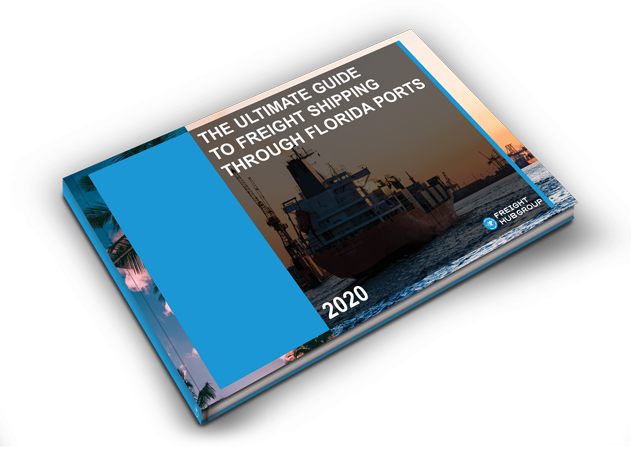
THE ULTIMATE GUIDE TO FREIGHT SHIPPING THROUGH FLORIDA PORTS
When it comes to ocean freight shipping in Florida, there is a lot to know to ensure you follow the appropriate steps when shipping into and out of Florida Ports.
Just enter in your email address and receive your FREE E-Book in minutes!