
Warehouse Conveyor Systems: Automated Material Movement for Efficient Operations
Warehouse Conveyor Systems: Automating Material Flow
Conveyor systems transform warehouse operations by automating the movement of products between functional areas—replacing manual carrying, cart pushing, and forklift transport with continuous, reliable material flow. From simple gravity roller conveyors to sophisticated sortation systems, conveyor technology scales to match any warehouse volume and complexity level.
Types of Warehouse Conveyors
Gravity roller conveyors use incline and product weight to move cartons without power—simple, reliable, and cost-effective for short runs and accumulation areas. Powered belt conveyors move products on continuous belts at controlled speeds, suitable for varying product sizes and weights. Powered roller conveyors use motorized rollers for positive product control with accumulation capability. Sortation conveyors automatically divert products to specific lanes, doors, or processing areas based on barcode scanning or other identification.
Applications in Warehouse Operations
Conveyors connect warehouse functional areas to create continuous material flow. Receiving-to-storage conveyors move incoming products from dock to putaway staging. Pick-to-pack conveyors transport picked items from storage areas to packing stations. Pack-to-ship conveyors deliver completed orders to shipping lanes. 3PL facilities handling high-volume e-commerce fulfillment particularly benefit from conveyor automation that connects picking, packing, and shipping operations.
Sortation Systems
Automated Sortation Technology
Sortation conveyors automatically route products to correct destinations using several diverting mechanisms. Sliding shoe sorters gently divert products across a wide range of sizes and weights. Pop-up wheel sorters handle smaller items efficiently. Tilt tray sorters provide high-speed sorting for small to medium items. Barcode or RFID scanning identifies each product, and the control system activates the appropriate divert at the correct location.
Shipping Lane Sortation
Outbound sortation directs completed orders to carrier-specific shipping lanes—USPS, UPS, FedEx, LTL carriers—eliminating manual sorting and ensuring each package reaches the correct carrier staging area. This automation reduces shipping errors and accelerates carrier pickup processing.
ROI Considerations
Conveyor investments deliver ROI through labor reduction (fewer workers needed to move products), throughput increase (faster material flow between processes), accuracy improvement (automated sortation reduces routing errors), and ergonomic benefits (eliminating manual carrying reduces injuries). The investment breakpoint depends on volume—high-throughput operations achieve faster payback than lower-volume facilities.
Conveyor design must integrate with receiving dock operations, storage systems, and outbound shipping requirements. Facility planning should consider future volume growth to size conveyor capacity appropriately.
Efficient Material Flow at Go Freight
Go Freight’s warehouse facilities leverage conveyor and automation technology to move your products efficiently—reducing handling time and improving accuracy throughout our operation.
Get a Free Quote | Call 786-445-0150
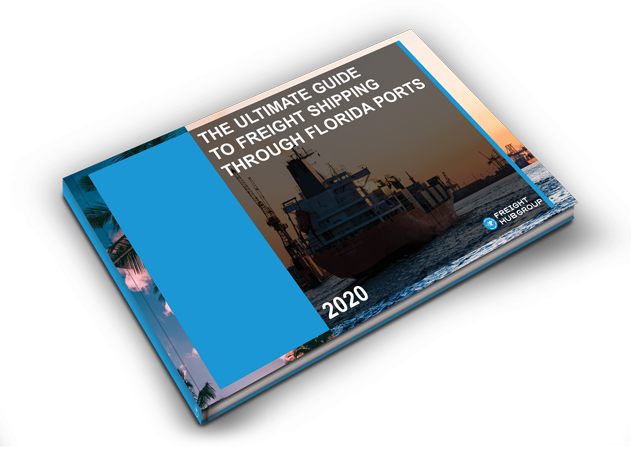
THE ULTIMATE GUIDE TO FREIGHT SHIPPING THROUGH FLORIDA PORTS
When it comes to ocean freight shipping in Florida, there is a lot to know to ensure you follow the appropriate steps when shipping into and out of Florida Ports.
Just enter in your email address and receive your FREE E-Book in minutes!