
Bonded storage, CFS handling, and IBEC consolidation each solve a different importer problem. Here is how to choose the right structure for your Miami inventory in 2026.
Bonded Warehousing in Miami: A Practical 2026 Guide for Importers
Bonded Warehousing in Miami: A Practical 2026 Guide for Importers
Miami is the natural inventory hub for Latin America and the Caribbean, which is why almost every importer who lands cargo at PortMiami or Miami International Airport eventually has to decide where and how to store it. Bonded warehouses, container freight stations, and IBEC (International Bonded Express Consignment) facilities each serve a distinct purpose, and choosing the wrong structure can quietly add weeks of dwell and thousands in fees.
What a bonded warehouse actually does
A U.S. Customs bonded warehouse is a facility approved by Customs and Border Protection where imported merchandise can be stored without duties or taxes being paid, for up to five years from the date of importation. The duty clock does not start until the goods are withdrawn for U.S. consumption. If the goods are re-exported, no U.S. duty is paid at all. For importers facing the 2026 tariff schedule, especially those handling apparel, electronics, or product staged for Caribbean re-export, that delay is real working-capital relief.
CFS: where LCL containers actually land
A Container Freight Station is the workhorse of South Florida import logistics. When an LCL (less-than-container-load) shipment arrives at PortMiami, the consolidator’s container is moved to a bonded CFS, deconsolidated, and the individual house bills are made available for pickup. Without a competent CFS partner, importers wait days for their cargo to be split off the master container. A good CFS turns that into a 24- to 48-hour process.
IBEC: the express consignment lane
IBEC facilities are bonded environments built specifically for low-value, high-volume express shipments cleared under Section 321 de minimis rules. For e-commerce importers moving consumer parcels from Latin America into the U.S., IBEC is the difference between same-day release and a week of customs processing. The Section 321 rules have tightened over the past two years, so IBEC providers now do more pre-arrival screening than they used to.
Distribution, pick and pack, and transloading
Once cargo is in your bonded or general warehouse, the value-add layer is where 3PLs differentiate. Distribution is the planned outbound flow to retailers, distributors, or end customers. Pick and pack turns the warehouse into a fulfillment center for small-parcel and B2B picks. Transloading moves cargo from one mode to another, typically ocean container to dry van for inland distribution. An asset-based 3PL like Go Warehouse can run all three under one roof, which means a single inventory record covers receiving, storage, pick, and outbound.
Project cargo and event logistics
Not all warehouse demand is steady-state. Project cargo, trade-show freight, and event logistics for the South Florida convention calendar create spikes that a flexible 3PL absorbs with flex-space pricing. If you are staging materials for a Miami Beach Convention Center event, or storing components for a construction project, you do not want to commit to a 12-month lease for a 6-week need.
Back-office support for local businesses
Smaller Miami importers increasingly outsource not just the storage but the back-office paperwork: receiving reports, inventory reconciliation, ACE filing coordination with their customs broker, and outbound documentation. This is where the warehouse stops being a building and starts being a service.
Technology is the actual moat
In 2026, a warehouse without a real WMS, barcode scanning, and customer-facing portals is a liability. Go Warehouse runs a modern WMS with 24/7 customer visibility into inventory levels, inbound and outbound activity, and historical movement. That transparency is what lets a Miami importer make calls from Bogota or Sao Paulo with the same information their local team has.
Need bonded, CFS, or IBEC warehousing in Miami? Visit Go Warehouse or complete a warehouse questionnaire.
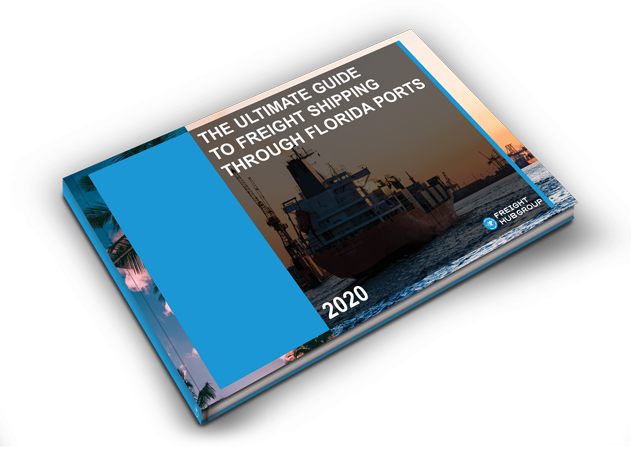
THE ULTIMATE GUIDE TO FREIGHT SHIPPING THROUGH FLORIDA PORTS
When it comes to ocean freight shipping in Florida, there is a lot to know to ensure you follow the appropriate steps when shipping into and out of Florida Ports.
Just enter in your email address and receive your FREE E-Book in minutes!