
Freight brokers work for shippers; dispatchers work for carriers. Licensing, liability, pay models, and how asset-based 3PLs combine both.
Freight Broker vs Dispatcher: What Is the Difference?
Two roles get mixed up constantly in trucking conversations: the freight broker and the truck dispatcher. Both arrange loads, both live on the phone, and both take a cut — but they work for different sides of the market, carry different legal obligations, and get paid differently. If you are a shipper deciding who to hand freight to, or a carrier deciding who to work with, the distinction matters. Here is the clear version for 2026.
What a freight broker does
A freight broker works for the shipper. Brokers are licensed by the FMCSA, carry a $75,000 surety bond (BMC-84 or BMC-85), and legally arrange transportation between shippers and motor carriers without operating trucks themselves. The broker takes the shipper’s freight, sells it to a carrier at a lower rate, and keeps the spread. Good brokers add real value: vetting carriers, covering freight in tight markets, managing claims, and providing one invoice across many carriers. The structural limitation is that a broker controls none of the capacity it sells — when the market tightens, coverage and service depend on someone else’s trucks. For a deeper comparison of models, see our guide to logistics brokerage.
What a dispatcher does
A dispatcher works for the carrier. Dispatch services find loads for owner-operators and small fleets, negotiate with brokers on the carrier’s behalf, handle setup packets and paperwork, and keep trucks loaded. Dispatchers typically charge the carrier a percentage of linehaul (commonly 5–10%) or a flat weekly fee. Crucially, a dispatcher is the carrier’s agent — under FMCSA rules a dispatch service must represent the carrier, not sell freight it does not have authority over. Shippers do not hire dispatchers; carriers do.
Side by side
- Who they represent: broker → shipper; dispatcher → carrier
- Licensing: broker → FMCSA broker authority + bond; dispatcher → no separate federal authority, operates under agreement with the carrier
- Liability: broker is a regulated intermediary in the transaction; dispatcher is a back-office service
- Revenue: broker earns the buy–sell spread; dispatcher earns fees from the carrier
- Capacity: broker sources from thousands of carriers; dispatcher manages a specific fleet’s trucks
Where the confusion causes real problems
Unlicensed intermediaries blur these lines — a “dispatcher” that takes loads from shippers and re-sells them to carriers is brokering without authority, which exposes everyone in the chain. Double brokering, where a load passes through multiple intermediaries without disclosure, remains one of the industry’s biggest fraud problems in 2026. Shippers should verify broker authority and bond status in FMCSA’s SAFER system, and carriers should confirm who actually holds the freight contract before hauling.
The third option: an asset-based 3PL
There is a model that collapses the distinction: the asset-based 3PL, which owns trucks, employs drivers and in-house dispatchers, and can still broker overflow when a customer needs coverage beyond the fleet. The shipper gets one accountable party either way. Go Freight runs its own fleet across full truckload, drayage, and local delivery, with company dispatchers coordinating drivers on one TMS — so the “dispatcher” and the capacity sit under the same roof as the customer relationship. When you want the economics of direct capacity with the flexibility of brokerage, that hybrid is usually the answer. Get a quote and compare it against your current broker spread.
Frequently asked questions
Can a dispatcher work directly with shippers?
Not legitimately. A dispatch service must work under agreement with a specific carrier. If it is sourcing freight from shippers and assigning it to various carriers, it is acting as an unlicensed broker.
Do freight brokers own trucks?
By definition, no — a broker arranges transport using licensed motor carriers. Companies that both own trucks and broker freight hold separate carrier and broker authorities, which is how asset-based 3PLs operate.
How do I verify a broker is legitimate?
Look up the company in FMCSA’s SAFER/Licensing & Insurance system: active broker authority, a $75,000 bond on file, and a physical address that matches. Be wary of freshly issued authority with no track record.
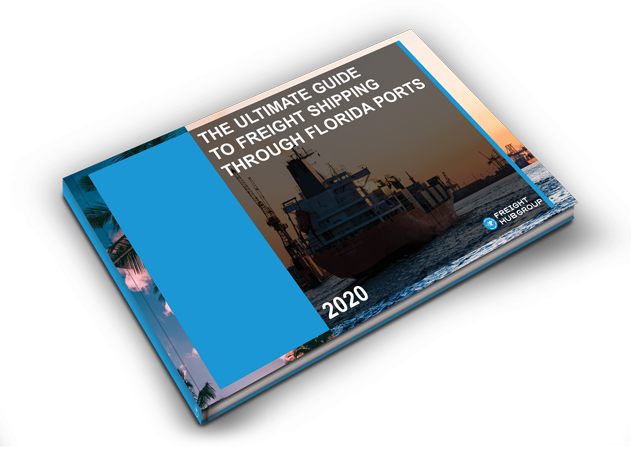
THE ULTIMATE GUIDE TO FREIGHT SHIPPING THROUGH FLORIDA PORTS
When it comes to ocean freight shipping in Florida, there is a lot to know to ensure you follow the appropriate steps when shipping into and out of Florida Ports.
Just enter in your email address and receive your FREE E-Book in minutes!